One of the most valuable methods of teaching and training older children is discussion. This is because discussions — which include panels, forums, interviews, brainstorming, and variations of these — give your students the ideal opportunity to talk about what they are learning and discover how to apply those concepts to their lives.
A carefully planned and directed discussion session, in whatever form, can turn a dull, lifeless group of children into an excited, enthusiastic bunch of students. But perhaps you, like many leaders, are afraid you do not have the expertise or experience to lead an exciting discussion or to teach your students to do so. Or maybe you have tried, with less than outstanding results. Either way, don’t be discouraged. The hints and suggestions here are just for you.
The setting helps
Discussion implies questioning and answering between two or more people. It is difficult to have this kind of group interaction when the seating arrangement discourages it. Therefore, the best setting for discussion is an informal circle or semi-circle, or any arrangement where the children can easily see each other’s faces and expressions. This helps create a close, friendly atmosphere in which all the students, plus the adult leaders and the discussion leader become members of the group instead of the leaders taking a dominant position. Formal rows of seats or pews may remind children of school or church and may unconsciously inhibit the students’ willingness to participate.
Sometimes, however, well-planned programs with ideal seating arrangements still fizzle. What else could be wrong?
The leader is the key
As an adult leader or helper, you have a very important role in making any discussion (and any meeting) a success. Here is a brief checklist of attitudes a discussion group leader should have:
• Do you like other people?
• Do you try to understand them?
• Do you listen attentively?
• Do you appear to be fair and impartial?
• Do you make everyone feel that he or she is valued?
• Do you listen to every point of view?
• Do you express differing opinions with tact?
• Do you have a sense of humor?
• Do you have a friendly, inquiring attitude?
• Do you show poise and self-control as you guide the discussion?
• Do you show enthusiasm and interest in the subject being discussed?
• Do you use insightful questions, re-statements, transitions, and clarifications to help apply and reinforce the conclusions of the discussion?
In this 2-part series, we'll help you effectively lead group discussions. This article is designed for those of you teaching older elementary students, but if you lead other ages you will probably also benefit.
In VBS or any group discussion, you will have a variety of students. Some may be loud or talkative, others will be quiet; some children may be highly intelligent, others may have learning difficulties. Your job is to involve all of them in the discussion. Although some may be Christians and some may not be, everyone’s contribution must be acknowledged and appreciated.
One way to do this is to use the word “we” frequently in your discussion. After all it is “we” who are talking in the discussion. Also, use the children’s names frequently; everybody likes to hear theirs.
As the leader, make your speeches short. Don’t make the mistake of launching into a sermon in the middle of a good discussion; there is no quicker way to kill group interaction.
Try to be impartial and listen to everyone’s point of view. That doesn’t mean you must condone or accept an opinion that goes against the Bible. After the speaker has finished, you could say, “Thank you, (Brad), for your thoughts, but that is not what God says in His Word. The Bible says, …”
With little or no guidance or direction in a discussion, students will sometimes pool their ignorance. Don’t let that continue for long. Interject some relevant information that will help to focus the discussion. It is also important not to take sides until you sense that the group has reached the point where a conclusion needs to be drawn or an application made.
As a group discussion leader, you have several roles:
1. To open the discussion and introduce the topic and its importance.
2. To develop the progress of that discussion toward the stated objectives.
3. To stimulate interest throughout the discussion.
4. To provoke thinking and interchange between the children in the group.
5. To gather information and encourage participation.
6. To determine the group’s knowledge on the subject.
7. To be in control of the discussion at all times.
8. To change the direction of the discussion if it is necessary, and
9. To bring the discussion to a logical conclusion and include a practical biblical application in line with the purposes and goals of your discussion.
It’s all in the questions
As the leader of the discussion, you must rely heavily on questions. In addition, you will need to do much restating and condensing of comments and ideas given in the discussion, and you will need to summarize what has been said. But the use of questions will be predominant in guiding the progress of your discussion.
“I keep six honest serving men,
They taught me all I know.
Their names are what, and why, and when,
and how, and where and who.”
— Rudyard Kipling
Kipling’s six questions — what, why, when, how, where, and who — can form the basis for many different kinds of discussion questions. Here are some forms of questions you will do well to try:
• Fact-finding questions help children learn information and data.
• Ambiguous questions have several meanings to help keep the discussion moving.
• Leading questions seek or suggest answers; can be used when no one knows what to say next.
• Provocative questions are designed to incite an argument and wake up your group.
• Direct questions are aimed at a specific person.
• Relayed questions are used when someone asks you a question and you refer it back to another person or the entire group.
• Reverse questions are used when someone asks you a question and you refer it back to the questioner.
• Either/or questions force the group to make a choice.
• Multiple-choice questions help to ascertain priorities.
Learn to prime the pump
A good discussion depends on the students in your group — children who will get involved in the topic and want to talk about it. Sometimes the hardest part of a discussion is getting it started. If that is the case with your group, sometimes it is helpful to treat your group like an old-fashioned water pump. You’ll have to prime it.
Very few groups have students who will jump right in at the beginning and keep the discussion going. One way of getting started is to tell answers to some early questions to children in the group prior to the discussion. Then if things are getting off to a slow start, the children with the answers can respond.
Whether you do this or not, always have the beginning questions written out in front of you. (That means sticking pretty close to the questions and thoughts in the All-Stars for Jesus Leader’s Guide until the discussion gets going.) To begin, simple questions—some with obvious answers—are usually best. Try to use a variety of questions that do not have simple yes or no answers.
Especially as you get started (and always), give the children time to think. Respect each answer, even if it is not exactly the answer you were seeking. Soon your questions and answers will develop into real discussion, and you are on your way!
There may be times when your discussions drag and slow down. Anticipate these times and have several key questions planned to drop in when this happens. Caution: If response to your questions is slow, be careful not to answer the questions yourself. If you begin to do this, soon the children in your group will learn to just sit back and wait for you to give them all the right answers.
Remember, carefully planned questions are the key to a good discussion. In addition, be open. Be unshockable. Be willing to hear every response. Keep the goals of your discussion in mind at all times and use your carefully planned questions to work toward achieving those goals.
Involve as many children as possible in the discussion; don’t allow the discussion to be monopolized by one person or a few. Whenever possible, try to call on every child in your group. At other times, involve everyone by asking a “do you agree or disagree?” question.
Stay tuned next week for 4 more tips!

Friday, July 2, 2021


Thursday, August 30, 2012
When VBS is Over
Many of you have already had your VBS. We hope it was spectacular!
Did you take lots of pictures? Maybe you have pictures of your kids
proudly holding their crafts or playing a crazy game. Of course you have
the precious photos of everyone gathered together praising our Lord!
But what should you do with all of your pictures? An all-church
slideshow, perhaps. But what about all the VBS memorabilia…the leader
guides, the registration cards, posters, etc.? It would be
heartbreaking to throw it all away, yet you don’t want it to just
collect dust.
Make a VBS scrapbook!
“I’m not a scrapbooker,” you say.
Well, anyone can make a scrapbook! (Plus, it’s such a popular thing to do these days…you’ll probably find many people in your church who would like to help!) With your VBS memories and some help from your kids, you have all the inspiration you need right at your fingertips! Use this idea for your VBS follow-up. Invite your kids back to sing songs from VBS and help put together a VBS scrapbook.
What to save:
- Flyers, posters, bulletin inserts, ads (any promotional material)
- Teaching visuals
- Tickets, registration cards, raffle tickets
- Two-dimensional crafts
- Stickers
- Fundraising materials
- Leader’s Guides
- Activity Sheets
- Anything else related to your VBS that will fit into your scrapbook!
- Colored cardstock
- Scissors
- Glue sticks
- Patterned scrapbook paper (optional)
- Scrapbook(s) (see size options below)
- Page protectors (see below)
- Stencils (optional)
- Colored markers/pens
- Stickers
Class Scrapbook
If
you are making one scrapbook, we recommend a 12” x 12” scrapbook
with plastic sheet protectors (available at your local craft store or we love Close to my Heart's albums available here). The
bigger size makes it easier for you to fit more memorabilia on each
page, especially since a lot of your items are bigger than a normal
8.5” x 11” page. And the sheet protectors are good since many
items will not be completely flat. Some sheet protectors already come with
white paper, so you can add them to your supplies.
Mini Books for Each Child
If
you have each child make his own scrapbook, you may want to give him a
smaller book. Mini-books are popular...you can give each child a few small (6" x 6" or so) sheets of chipboard to decorate and add pictures, then hold them together with ring clasps. If your budget is tight you can have the
children provide their own chipboard pieces or small books/journals to decorate. You may still
want to use a 12” x 12” book for your class scrapbook.
Oversize Items
If
you have posters and other memorabilia that are too big for your book, cut them to use as your
background paper. Cut the covers off your leader’s guides to add to
your scrapbook, along with any inside pages you want to keep. You can also
use them as background paper if you’d like. If you’re making one
book, let your kids help by making borders, adding their crafts and stickers,
and gluing photos. Cut out fun pictures from your teaching materials to help
decorate. Use anything you have saved that has to do with your VBS!
Add Photo Borders
If
you add a solid-colored frame around your photos it makes them really stand
out. Glue your photo to a piece of cardstock, leaving some room around the
edges. Cut around the picture, leaving a border (fancy-edged scissors add a
fun effect). You may especially want to use this technique if you are gluing
pictures on top of a patterned background so the solid border makes the photos pop!Most importantly, HAVE FUN!
Here are some stickers for the various VBS 2012 themes that may help you decorate your scrapbooks...


Monday, July 16, 2012
Sing-Along Songs for Preschoolers
Here are some fun sing-along songs that are easy for twos and threes and preschoolers to learn, and are sung to familiar tunes. (Music is also included.) Best of all, they teach Christian concepts in ways tiny tots can remember! Feel free to also make up new words and verses to the tunes to create songs your class enjoys.
Jesus Gives Me Joy
Tune: ROW, ROW, ROW YOUR BOAT
Joy, joy, joy, joy
I give Jesus joy.
Just because I love Him so,
I give Jesus joy.
Joy, joy, joy, joy
Jesus gives me joy.
Every day along my way,
Jesus gives me joy.

I Can Use My Hands and Feet
 Tune: MARY HAD A LITTLE LAMB
I can use my hands and feet (move both hands and feet),
hands and feet, hands and feet.
I can use my hands and feet
to help with all the work.
I can use my arms and legs (move arms and legs),
arms and legs, arms and legs.
I can use my arms and legs
to run and play each day.

Oh, We Can Praise Jesus
Tune: DID YOU EVER SEE A LASSIE?
Oh, we can praise Jesus, praise Jesus, praise Jesus (skip in a circle).
Oh, we can praise Jesus (stop)
This way and that (sway to the left, then to the right).
By clapping, by clapping, by clapping, by clapping (clap).
Oh, we can praise Jesus this way and that (sway left, then right).
For more verses, substitute different actions and words for the clapping. Try singing, praying, ringing (pretend bells), or other actions the children think of.

Jesus Gives Me Joy
Tune: ROW, ROW, ROW YOUR BOAT
Joy, joy, joy, joy
I give Jesus joy.
Just because I love Him so,
I give Jesus joy.
Joy, joy, joy, joy
Jesus gives me joy.
Every day along my way,
Jesus gives me joy.

I Can Use My Hands and Feet
I can use my hands and feet (move both hands and feet),
hands and feet, hands and feet.
I can use my hands and feet
to help with all the work.
I can use my arms and legs (move arms and legs),
arms and legs, arms and legs.
I can use my arms and legs
to run and play each day.

Oh, We Can Praise Jesus
Tune: DID YOU EVER SEE A LASSIE?
Oh, we can praise Jesus, praise Jesus, praise Jesus (skip in a circle).
Oh, we can praise Jesus (stop)
This way and that (sway to the left, then to the right).
By clapping, by clapping, by clapping, by clapping (clap).
Oh, we can praise Jesus this way and that (sway left, then right).
For more verses, substitute different actions and words for the clapping. Try singing, praying, ringing (pretend bells), or other actions the children think of.

Thursday, July 12, 2012
Relating Successfully to Elementary Children
The time you invest as a children’s leader falls into two main categories: (1) time spent alone in prayer, preparation, and planning and (2) time spent with kids during your actual weekly meetings. Of necessity, some of the time spent during the meeting will be in large group activities or with smaller groups. It is possible to interact on a one-to-one basis in groups, however, and to make a moment here and there important to a child.
As you endeavor to know each child as an individual, remember that children learn in many different ways and at decidedly different rates of progress. The activities in your VBS curriculum are written with this in mind. A variety of methods are often used to present concepts or teach Bible truths. Materials are written on each child’s level of interest and understanding. Children who do not read confidently can participate through non-reading parts provided in many activities.
Involve your youngsters in planning and implementation of activities. Make taking part a really positive thing so they’ll be motivated to seek involvement and put the necessary effort into preparing.

Take a good look at yourself
The teacher is a critical factor in making kids want to learn. One of the most outstanding characteristics any teacher/leader should have is enthusiasm. If he’s enthusiastic about his teaching and training, he’ll put his best into it. And anyone who is attempting to give his best to a task will be sensitive to weaknesses and thus try to improve them. Enthusiasm is contagious! Nothing is more therapeutic for a sagging program than an enthusiastic leader!
A leader’s personal appearance is important, too. Wear the right clothes for the activities in which you’re involved. Don’t overdress — or underdress! A neat, clean appearance is another way of saying you care. Remember, your kids watch you carefully and many will want to imitate you. Be an example, even in this area.
Are you aware of any annoying habits that may divert the attention of some in your group? Do you have too many “you knows” and “and uhs” in your speech, or do you twist your jewelry unconsciously while you’re talking? Check yourself, or ask a friend to observe your teaching and speaking (at home or in your leadership position) to help you avoid distracting habits and improve your public speaking technique.
Are you on time consistently? Being “on the job” at least 15 minutes early can sometimes mean the difference between chaos and a smooth running program. If you come late, you usually get flustered because the kids have had time to become unruly, and valuable time can be wasted just getting the group settled down. It’s far better for you to have been the first one there, with everything in order, ready to begin on time.
A good leader is always thoroughly prepared. A concert pianist wouldn’t dream of going into a recital without hours and hours of practice and preparation. Why should a teacher or leader feel that his performance demands less practice? Remember — in teaching from God’s Word, we’re dealing with the souls of children! This should challenge us to be more diligent in our preparation of every Bible lesson, craft, project, or game time! Don’t minimize the importance of your calling as a leader by a slothful attitude toward preparation for the task of teaching and training children.
A leader should be fun. Do you have a good sense of humor? Are you fun to be with? Do kids like you? Are you “human”? This means being a “warm body” — someone kids feel drawn to and want to be around — someone with whom they’re free to be themselves. Don’t be so sensitive that you can’t laugh at yourself. Try to see yourself as kids do. Relax! Have a good time with your group. They’ll respond more positively to you, feel more comfortable and secure in your presence, and be open to what you have to share with them.
A leader should be a good listener. And that means being a patient listener. If you give the impression of always being in a hurry, always too busy to hear the end of their stories, they’ll feel they’re unimportant to you. Being a good listener shows that you sincerely care about those you listen to. Remember, kids can read adults like a book and can pick out of any crowd those who are genuinely interested in them. Talk to your kids — listen to them — give yourself to them!
A good leader is NOT afraid of change. The beginning of the downfall of any group is the statement, “But we’ve never done it that way before.” How do you know it won’t work unless you’ve tried it? Remember — change or variety is the spice of life — and the spice of any program. Be flexible! Willing to change! New! Different!
Do the youngsters you lead see Christ in you? This should be the main purpose of your ministry with children — that boys and girls might find Christ as their Savior and have their lives changed. Kids need to have an example, a guide to follow. You could be that adult they look to for spiritual leadership. Are they finding it in you? This fact alone should motivate you to be the most effective leader you can be — for Christ’s sake.
Take a good look at the kids
Knowing as much as possible about the kids can be a big help in improving your teaching effectiveness.
First of all, it’s of utmost importance that you know the physical, mental, social, emotional, and spiritual characteristics of the age group with which you work. Knowing these facts — why kids act the way they do — can affect how, why, and what you teach. Meet with your coworkers to study these age-level characteristics. Read books that can help you gain important insights.
Then accept kids where they are. Accept them because of who they are — respect them! There’s no room for “favorites” if you want to reach all the kids in your group. Every child has something special about himself and something unique to offer. Find out what it is, and get busy helping that youngster feel special and wanted.
Challenge your boys and girls to participate. Use them. All-Stars for Jesus Bible club programs are designed to involve kids — to let them learn by doing. So don’t always “do” for them.
Elementary Resources
The teacher/leader should always be available and ready to help if needed, but should sometimes be in the background. Instead of finding the answer for your students, show them where they can find it for themselves.
When kids get restless, the leader always needs to ask “why?” Usually it’s because (1) the activity is too long for the attention span of the group, or (2) the activity itself is boring. If this is the case, it’s the responsibility of the leader to correct the situation. Change the activity and always have a variety of activities up your sleeve in case one doesn’t work out or is over faster than you anticipated. Again, be prepared. Youngsters seldom grow bored or restless if there’s a fast-moving, variety-filled program in which they are actively involved.
Give kids responsibility
Give your students plenty of responsibility — not just by participating in programs, but in maintaining the appearance of the room, distributing and collecting materials, and in general, being a contributing member of the group. Give them meaningful tasks, even if it would be easier to do them yourself. Always thank them and show your appreciation.

You are a model!
You may be the only really positive, warm factor in an otherwise unhappy young life. Be sensitive about the things you say and do. Avoid broken promises, sarcasm, favoritism, or an impatient attitude. Youngsters won’t easily forget such behavior by adults. But neither will they forget the smiles, the hugs, the encouragement, and the love given to them by adults they can really trust.
Youngsters, even children in elementary grades, are looking for models. You have a unique opportunity and responsibility as a children’s leader to be the kind of positive, godly example they need.
As you endeavor to know each child as an individual, remember that children learn in many different ways and at decidedly different rates of progress. The activities in your VBS curriculum are written with this in mind. A variety of methods are often used to present concepts or teach Bible truths. Materials are written on each child’s level of interest and understanding. Children who do not read confidently can participate through non-reading parts provided in many activities.
Involve your youngsters in planning and implementation of activities. Make taking part a really positive thing so they’ll be motivated to seek involvement and put the necessary effort into preparing.

Take a good look at yourself
The teacher is a critical factor in making kids want to learn. One of the most outstanding characteristics any teacher/leader should have is enthusiasm. If he’s enthusiastic about his teaching and training, he’ll put his best into it. And anyone who is attempting to give his best to a task will be sensitive to weaknesses and thus try to improve them. Enthusiasm is contagious! Nothing is more therapeutic for a sagging program than an enthusiastic leader!
A leader’s personal appearance is important, too. Wear the right clothes for the activities in which you’re involved. Don’t overdress — or underdress! A neat, clean appearance is another way of saying you care. Remember, your kids watch you carefully and many will want to imitate you. Be an example, even in this area.
Are you aware of any annoying habits that may divert the attention of some in your group? Do you have too many “you knows” and “and uhs” in your speech, or do you twist your jewelry unconsciously while you’re talking? Check yourself, or ask a friend to observe your teaching and speaking (at home or in your leadership position) to help you avoid distracting habits and improve your public speaking technique.
Are you on time consistently? Being “on the job” at least 15 minutes early can sometimes mean the difference between chaos and a smooth running program. If you come late, you usually get flustered because the kids have had time to become unruly, and valuable time can be wasted just getting the group settled down. It’s far better for you to have been the first one there, with everything in order, ready to begin on time.
A good leader is always thoroughly prepared. A concert pianist wouldn’t dream of going into a recital without hours and hours of practice and preparation. Why should a teacher or leader feel that his performance demands less practice? Remember — in teaching from God’s Word, we’re dealing with the souls of children! This should challenge us to be more diligent in our preparation of every Bible lesson, craft, project, or game time! Don’t minimize the importance of your calling as a leader by a slothful attitude toward preparation for the task of teaching and training children.
A leader should be fun. Do you have a good sense of humor? Are you fun to be with? Do kids like you? Are you “human”? This means being a “warm body” — someone kids feel drawn to and want to be around — someone with whom they’re free to be themselves. Don’t be so sensitive that you can’t laugh at yourself. Try to see yourself as kids do. Relax! Have a good time with your group. They’ll respond more positively to you, feel more comfortable and secure in your presence, and be open to what you have to share with them.
A leader should be a good listener. And that means being a patient listener. If you give the impression of always being in a hurry, always too busy to hear the end of their stories, they’ll feel they’re unimportant to you. Being a good listener shows that you sincerely care about those you listen to. Remember, kids can read adults like a book and can pick out of any crowd those who are genuinely interested in them. Talk to your kids — listen to them — give yourself to them!
A good leader is NOT afraid of change. The beginning of the downfall of any group is the statement, “But we’ve never done it that way before.” How do you know it won’t work unless you’ve tried it? Remember — change or variety is the spice of life — and the spice of any program. Be flexible! Willing to change! New! Different!
Do the youngsters you lead see Christ in you? This should be the main purpose of your ministry with children — that boys and girls might find Christ as their Savior and have their lives changed. Kids need to have an example, a guide to follow. You could be that adult they look to for spiritual leadership. Are they finding it in you? This fact alone should motivate you to be the most effective leader you can be — for Christ’s sake.
Take a good look at the kids
Knowing as much as possible about the kids can be a big help in improving your teaching effectiveness.
First of all, it’s of utmost importance that you know the physical, mental, social, emotional, and spiritual characteristics of the age group with which you work. Knowing these facts — why kids act the way they do — can affect how, why, and what you teach. Meet with your coworkers to study these age-level characteristics. Read books that can help you gain important insights.
Then accept kids where they are. Accept them because of who they are — respect them! There’s no room for “favorites” if you want to reach all the kids in your group. Every child has something special about himself and something unique to offer. Find out what it is, and get busy helping that youngster feel special and wanted.
Challenge your boys and girls to participate. Use them. All-Stars for Jesus Bible club programs are designed to involve kids — to let them learn by doing. So don’t always “do” for them.
Elementary Resources
The teacher/leader should always be available and ready to help if needed, but should sometimes be in the background. Instead of finding the answer for your students, show them where they can find it for themselves.
When kids get restless, the leader always needs to ask “why?” Usually it’s because (1) the activity is too long for the attention span of the group, or (2) the activity itself is boring. If this is the case, it’s the responsibility of the leader to correct the situation. Change the activity and always have a variety of activities up your sleeve in case one doesn’t work out or is over faster than you anticipated. Again, be prepared. Youngsters seldom grow bored or restless if there’s a fast-moving, variety-filled program in which they are actively involved.
Give kids responsibility
Give your students plenty of responsibility — not just by participating in programs, but in maintaining the appearance of the room, distributing and collecting materials, and in general, being a contributing member of the group. Give them meaningful tasks, even if it would be easier to do them yourself. Always thank them and show your appreciation.

You are a model!
You may be the only really positive, warm factor in an otherwise unhappy young life. Be sensitive about the things you say and do. Avoid broken promises, sarcasm, favoritism, or an impatient attitude. Youngsters won’t easily forget such behavior by adults. But neither will they forget the smiles, the hugs, the encouragement, and the love given to them by adults they can really trust.
Youngsters, even children in elementary grades, are looking for models. You have a unique opportunity and responsibility as a children’s leader to be the kind of positive, godly example they need.
Tuesday, July 10, 2012
8 Tips for Leading Discussions: Part 2
This is the second part in a two-part series on leading discussions for older elementary children. If you missed part one from last week, you can find it here >
What if it doesn’t work?
In spite of the best plans, the most
carefully planned questions, and the ideal seating arrangement, some
discussions may still not work. The leader may feel the discussion is
getting away from him, questions may be raised for which the leader has
no answers, or there is no general agreement on the topic. Rather than
allowing confusion, it is best to reorganize and evaluate the situation.
Refer
back to the opening comments and to the goals and objectives of the
discussion. (This is one of the reasons it is crucial the leader use
good questions and comments to start the discussion, and that the
children clearly understand the goals and objectives — what conclusions
you want to reach — for the discussion. The opening statements set the
tone for what is to come and indicate there is something worthwhile to
discuss.) Summarizing will automatically discount any discussion that
wandered from the subject. As you summarize, try to get the group to
agree on the major points you have discussed and their conclusions.
If
difficult questions arise, don’t panic. Assure your group you will
check and get the answer for them by your next meeting. Or, have a
member do the research, either during the discussion (if research tools
are available) or by the next meeting. Don’t be afraid to admit you
don’t know an answer; students will recognize a bluff or vague answer,
but they will respect you more if you are honest in admitting you don’t
know.
The same approach can be used if a question comes up that
has no bearing on the discussion. Simply say, “That’s a good question,
Eric. Let’s talk about it after the meeting. Right now, let’s continue
talking about …” then get right back to the subject of your discussion.
If
you are well prepared before your meeting begins, if you are interested
in the subject, and if you treat the students in the discussion group
with respect and consideration, you should be able to handle most any
situation that might arise out of the discussion.

What about tools?
Some
discussions may benefit from tools to enhance them and keep them going.
A chalkboard, whiteboard, overhead projector, computer projector, or
flip chart will allow you (or one of the children) to write down key
points as you work toward a general summary and conclusion. (Don’t stay
at the board too much; try to stay seated with the group as much as
possible.)
For some discussions, guide sheets are helpful. Guide
sheets are often in your VBS curriculum and can include basic questions, Scripture references, and space to
write key points or answers to the questions.
The most important
tool for any discussion is the Bible. In addition to the Bible version
you normally use, you may wish to
have additional versions of the Bible available, as well as a Bible
dictionary, concordance, and other reference materials.
Types of discussions
If
your group is quite large (more than 15 to 20 children), a discussion
with the entire group may sometimes be unsatisfactory. Try breaking into
several small discussion groups, each with a leader, and applying the
same basic principles of successful discussion. Or, move into “buzz”
groups of 3 to 10 people. One person is chosen as leader and another is
picked to write down the group’s ideas and report on them when all the
buzz groups reassemble for a large-group sharing time.
Brainstorming
is another small-group discussion variation. Each small group is given a
problem and asked to come up with as many different solutions as
possible. Most any idea is valid to enter into the discussion;
brainstorming allows the kids to think freely about the problem and its
solution. Everyone is encouraged to use each other's ideas as a
springboard for their own. Record all the ideas; don’t reject any. Set a
definite time limit, then get back together in the larger group and share the ideas from all the groups.
Another
discussion method is the forum, an informal or formal discussion made
up of a panel of speakers who have prepared reports, then interact among
themselves on what they have researched. The panel discussion is a less
formal variation of the forum; it allows for interaction from the
floor, or from the group at large. Good research coupled with
preparation by several members of your group, provides the stimulation
for good discussion.
Don’t forget to evaluate
It’s not
enough just to have a discussion, make some conclusions, and go home.
Always evaluate each discussion, decide whether your discussion
accomplished your goals and objectives, and learn ways you can do better
next time.
This checklist will help you evaluate your discussions:
- How did the discussion contribute to understanding the topic?
- Did the children in the group learn anything from the discussion?
- Did the discussion help the children apply what they learned to their own lives?
- Was each child involved in the discussion, and if not, how can this be corrected in the future?
- What follow up should be done on what was included in this discussion?
Discussion—in
various forms—is used often with older children in VBS curriculum. While it is only one method for effective learning and
application, discussion can bring new excitement and involvement to your
meetings. And, as the result of good discussions, you will observe new
incentive, increased maturity, and new leadership skills among your
students.
Thursday, July 5, 2012
Programming Resources for Fall (or Anytime)
With VBS season coming to a close, that means fall is right around the corner! We've gathered several helpful resources to help you plan a great fall for your kids.
You'll find large group/small group options, preschool, children's church, VBS follow-up ideas, and more.
As always, we offer free shipping on orders of $99 or more, and the lowest prices every day.

Summit Seekers is one of Gospel Light's many 13-week lesson program books designed for VBS follow-up, but also perfect for any time you need a fun children's program for your kids. With Vacation Bible School-like themes and
fun activity center rotations, you can harness the energy and impact of
VBS every Sunday. KidsTime 13-Lesson Courses are great for use midweek,
Sunday mornings or as a change of pace during the summer. Browse more themes.

101 Bible Games & Activities for Preschool
Each game includes a memory verse in KJV or NIV. Many games contain reproducible patterns in color and black-and-white. Also available in Toddler and Elementary. View sample game. Browse games, activities & crafts >

Train—and retrain—volunteers. A year’s worth of
reproducible training handouts helps volunteers be their best. Their
skills and effectiveness in children’s ministry will grow. Includes an audio CD, reproducible handouts for a year, a CD-ROM with e-mail blasts & clip art, "Meeting format," appendix, and topic index. Browse teacher helps >
Grades 1-6, Ages 6-12

Don't let limited volunteers be an obstacle to life-changing ministry! Designed
for limited staff and broad age ranges, KidsTime is a versatile
solution for any size church or any size group. KidsTime is fully
reproducible and jammed with creative ways to present Bible Stories
including crafts, games, activities, discussion questions, Scripture
memory verses, time-line posters, music CD and music videos. Little KidsTime for Preschool also available! Browse all Children's Ministry >

Involve your kids and families in a Halloween alternative or fall festival! This complete program book will help you
plan and organize a Christ-centered fall outreach event for your church and community. This easy-to-use instruction guide tells you all
you need to know—whether you've been planning church events for 25 years
or this is your first time! Includes promotion and programming ideas,
recipes for refreshments, games, craft instruction sheets, CD-ROM, and
lots more. View sample devotion. (Christmas Celebration also available.)


A wealth of information and no-fuss training for anyone who is
involved with a church nursery ministry. You’ll find answers to most any
question raised in the operation of the church nursery, from the latest
information on safety questions to ages and stages information, as well
as new ideas to communicate and play with babies. This is reproducible manual includes a DVD, making it easy to share with your staff. (Preschool, Children's Ministry, Preteen, & Special Needs Smart Pages also available.) Browse all nursery helps >

Gospel Light's Jr. K.I.D.S. Church allows you to take your preschoolers on an amazing life journey
as they discover that God made them for a specific purpose and plan. Elementary and Disciplemakers digital curriculum also available. Browse all K.I.D.S. Church >

Tuesday, June 26, 2012
VBS 2012 Stock-Out List

(Last updated 7-10-12)
VBS publishers are running out of more and more product! If you need last-minute supplies or have not ordered VBS yet (we sure hope that's not the case!), please visit Shop VBS to order now.
VBS publishers are running out of more and more product! If you need last-minute supplies or have not ordered VBS yet (we sure hope that's not the case!), please visit Shop VBS to order now.
If your VBS is later in the summer you may be able to benefit from sold-out items in returns, as we will begin receiving VBS returns from churches whose VBS was earlier in the summer. But bear with us, our warehouse is in full swing and we may not be able to check in returns as quickly as we normally do. Please feel free to contact us at 1-800-233-4443 to have us check on any product you might need.
The publishers are out of the following products. We may have some of these items still in stock, but they're going fast. Once our supply is gone we can't get any more unless we happen to receive returns. Be sure to order now! Shop VBS.

Gospel Light's SonRise National Park VBS
OUT OF STOCK from publisher:
Water Bottles
Pennants
National Park Wall Mural
Silly Bands
Children's Medium T-Shirt
Adult Park Ranger Medium T-Shirt
Adult Park Ranger XX-Large T-Shirt
Wall Cutouts
Carabiners
Photo Frames
Fridge Magnets
BACKORDERED from publisher:
Skitter the Squirrel Puppet - expected after August 17 (in time for fall Sunday School)

OUT OF STOCK from publisher:
Publicity Poster
Child's Medium T-shirt
Paddle Out! Student Magazine, Grades 3-4, Ages 8-10
Big Question Boards
Catch a Wave! Student Magazine, Grades 5-6, Ages 10-12

OUT OF STOCK from publisher:
Blue raspberry fizzies
Apple cider fizzies
Blue glow sticks
Purple glow sticks
Green glow sticks
Sky carabiners
Plastic fish
Sky Logo outdoor banner
Test Tube Talk starter kit
Flicker lights
Fizzy Fliers
Blue talk beads
Orange talk beads
Water bottle
Sky and Cloud corobuff
Propeller beanie
Crew cap
Tissue hot air balloon
Sky Box
Red glow sticks
Orange glow sticks
Parachute
Cocoa fizzies
Operation Kid-to-Kid poster pack
Sky banduras
Sky Squawker
Watch for God Wristbands
Adult T-shirt XL
Name Badge Holders
Buddy Fly
Rocket Set
Sky Plastic Backdrop
Kite Balloon
On BACKORDER from publisher
Adult T-shirt Medium
Buddy Fly

Group's Babylon VBS
OUT OF STOCK from publisher:
Babylon carabiners
MossBabylonian fez
Rainbow mosaic tiles
Cylinder seal kit
Decorating posters
Flute kit
Tribe of Benjamin bandura
Plush lion
Adult shirt XL
Metallic nameplate
Child’s t-shirt SM
Stone wall corobuff
Adult t-shirt Medium
Hidden Message Medallions
Hand warmers
Tribe of Asher banduras
Babylon sticker sheets
Tribe of Joseph banduras

Group's Rocky Point Lighthouse VBS
OUT OF STOCK from publisher:
Adult t-shirt LG
ON BACKORDER from publisher:
Flashing Neutron Ball
Tissue Crab
Plastic Lobster
Giant Paper Lighthouse

OUT OF STOCK from publisher:
Site Names Poster Pack
Bucket Hats
Small Group Solutions for Kids
Planning DVD
Promise Island Stickers
I Help Change Lives! Notepad
God's Promises Stickers
Promise Island Bookmarks
Rainbow Writer Pencils
Bible Memory Post Pack/KJV
Outdoor Banner
Cooper Skits CD
Water Bottle
Pass-Along Music CDs
Crew Leader's Bag
Follow-Up Photo Frames
Seaside Celebration Dual CD Set (Music & More)

OUT OF STOCK from publisher:
NKJV Starter Kit
NKJV Pre-Primary Activity Sheets
NKJV Middler Activity Sheets
Explorer Pouch
Theme Banner (3' x 6')
Bugs and Flowers Sticker Scenes
Bug Key Chains
Going Buggy! Foam Stamps
Butterfly Fuzzy Magnets
Magic Color Scratch
Sun Catcher Glitter Paint
Butterfly Magnets
Glow Stick Fireflies
Butterfly Suncatcher Photo Frames
VBS Song Transparency Packet
Just Buggy! 3D Bug Set
Butterfly Inflatables
Butterfly Clings
Jumbo Tissue Butterflies
Butterfly Whirls
Butterfly Punch-Outs
Butterfly Cutouts
Bugzone Friends Cutouts
Butterflies Border
Upper Scene Setter (Sky)
Butterfly Garden
Reversible Caterpillar to Butterfly
Bugzone Pencils
Mammoth Insects
Caterpillars
Bug Wall Walkers
Bug Clickers
Wind-Up Flipping Ladybugs
Bug-in-a-Box
Butterfly Sandbags
Insect Stampers
Bug Stickers
Bugzone Notepads
Bug Catching Set
Bug Catchers
Catch the Bugs Parachute Set
Bugs & Blooms Coloring Books
Bugzi Puppet Set
Make sure you grab all the VBS supplies you need before they are backordered or stocked out for good! Shop VBS >
Sunday, June 24, 2012
VBS Follow-Up: All Stars for Jesus Bible Clubs
 Are you winding
down your VBS program? Or maybe you're looking ahead to what will happen after VBS. If you're looking for a way to invite those same children
back to your church for another exciting event, take a look at All-Stars for Jesus Bible Clubs.
There's a Bible club program for children from age two through grade
six. Plus, eChurchDepot.com has downloadable programs for middle
school and high school with the reproducible Bible Basics and Christian Basics curriculum.
Are you winding
down your VBS program? Or maybe you're looking ahead to what will happen after VBS. If you're looking for a way to invite those same children
back to your church for another exciting event, take a look at All-Stars for Jesus Bible Clubs.
There's a Bible club program for children from age two through grade
six. Plus, eChurchDepot.com has downloadable programs for middle
school and high school with the reproducible Bible Basics and Christian Basics curriculum.
All-Stars for Jesus Bible Clubs are
designed to help churches and parents teach children to know God, to
believe in Jesus as their Savior, and to live for Him. All-Stars for
Jesus Bible Clubs help children to feel loved and accepted so they, in
turn, can share the love of Jesus with their friends and
families. Researchers say that 43% of people who are Christians accepted
Christ as Savior before the age of 13! We want to help you reach that
43%...and more!

Bible
clubs also offer a non-threatening place for children who might never
attend a regular church service or Sunday school class to learn about
Jesus in a fun, casual atmosphere. In a whole where children are exposed
to a variety of bad influences coming from all directions, All-Stars for Jesus Bible Clubs
are places of love and encouragement, where kids can safely learn how
to say no to those bad influences and learn how to live a victorious
life in Christ!
God loves his children. He commanded parents to "train up a child in the way he should go" (Proverbs 22:6). We want each child to know that he or she is a star in Jesus' eyes, no matter what the child's skills and abilities are. Jesus loves children just as they are. Share that love with the children in your community. Begin a Bible club program at your church or in your neighborhood. It's easy to get started.
God loves his children. He commanded parents to "train up a child in the way he should go" (Proverbs 22:6). We want each child to know that he or she is a star in Jesus' eyes, no matter what the child's skills and abilities are. Jesus loves children just as they are. Share that love with the children in your community. Begin a Bible club program at your church or in your neighborhood. It's easy to get started.
So...what exactly IS All-Stars for Jesus?
All-Stars for Jesus provides everything you need for an exciting ministry to children!
All-Stars for Jesus is:
- A multi-use Bible curriculum in a fun club environment for age 2 through grade 6, with an optional awards program.
- A program that provides solid Bible teaching in a fun and interesting way for kids—one that directs them to know and follow Jesus.
- Curriculum that is easy to teach and includes helpful options for teachers, giving you maximum flexibility.
- Age appropriate memory verses to help children hide God's Word in their hearts.
- Bible- and curriculum-based, rather than activity-based. Each part of the lesson focuses on God, Jesus, and God's Word.
- Age appropriate and fun for kids of all ages.
- Bible-centered—every activity helps kids focus on God's Word and begin to share what they learn with others.
- A way to help churches reach the children and families in their communities for Christ.

All-Stars
for Jesus partners with churches to extend their outreach from just
Sunday school to mid-week, Sunday evening, or other times children can
gather to learn about Jesus. All-Stars meetings are fun, less formal
time with a variety of interesting and fun activities to direct the
child's attention to God's Word. The optional awards program offers a
further way to extend the Bible learning into the home.
What unique features does All-Stars for Jesus have?
Each
All-Stars for Jesus age-level Flex-lesson Leader's Guide has everything
you need for two meetings a week—to use for Sunday morning and
mid-week, Sunday evening and after-school Bible club, or whenever great
Bible lessons are needed. Or, you have extra options for one meeting a
week!
- Easy-Trac meeting plans direct the leader step-by-step through each weekly program, and let you see at a glance which activities and materials to use.
- The optional awards program provides more opportunities for kids to learn about Jesus by completing Bible learning activities in their award books at home. When each activity is completed, children earn colorful awards to place on a cap or pennant. Plus, each child could have ALL first-year awards for as low as 82 cents per week!
- All-Stars for Jesus offers not only five age-level programs for children age 2 through grade 6, but also the All-Stars Explorers program for combined grades 1 through 6 in one classroom and the Preschool All-in-One Kit for combined ages 2-5 plus reproducible activity sheets.
- There are no membership fees, dues, or doctrinal requirements—just fun, Bible-based, solid Christian learning.
- The All-Stars Kick-off Kit offers great resources to promote your clubs: award samples, promotional posters, clip art, fundraising ideas, and club kickoff plans!
- All-Stars for Jesus offers lots of colorful "fun stuff" as gifts, awards, and promotions.
- All-Stars for Jesus is an affordable program. The Flex-Lesson Leader's Guide provides two lessons a week!
- Christian Ed Warehouse offers Standing Orders on All-Stars for Jesus quarterly curriculum so you don't even have to remember to order! Plus, all orders over $99 receive FREE shipping.
- There is no requirement that you use all available materials—just choose the options that will work best with your group and your budget.
Does all this sound like something you would like for your church? Visit eChurchDepot.com and order your Starter Kits for a 60-day risk-free review!
May God bless you as you lead children and their families to a personal relationship with Jesus!
May God bless you as you lead children and their families to a personal relationship with Jesus!
Monday, June 18, 2012
VBS Stock-Outs Update

We may have some items that the publishers are out of, but we cannot guarantee we'll have sufficient quantities. Please refer to the Stock-Out Update below.
Remember we offer the guaranteed lowest prices from leading publishers like Gospel Light, Group, Standard, Regular Baptist Press, and Go Fish Guys plus FREE shipping on orders over $99!
Please note that in our effort to give you outstanding service, we do our best to update our stock-out information and mark items as "sold out" on our website when they are no longer available. But because of the huge VBS demand, sometimes items sell out before we are able to update. We will contact you if we are unable to fill your entire order.
If you're ready to order, SHOP VBS HERE >
Gospel Light's SonRise National Park VBS
OUT OF STOCK from publisher:
Water Bottles
Pennants (pkg. 12)
National Park Wall Mural
Silly Bands (pkg. 25)
BACKORDERED from publisher:
Wall Cutouts (pkg. 28) - expected soon
Skitter the Squirrel Puppet - expected after August 17 (in time for fall Sunday School)
MOST POPULAR ITEMS (not backordered, but going fast)
Student Guides (all ages)
Connection Cards
Iron-on Transfers
God Loves You! Salvation Booklet
SonRise Stickers
Publicity Posters
Following Jesus! Discipleship Booklet
Skin Decals
Bible Teaching Poster Pack
Name Tags and Name Tag Holders
Gospel Light's SonSurf Beach Blast VBS
OUT OF STOCK from publisher:
Publicity Poster
Child's Medium T-shirt
Group's Sky VBS
OUT OF STOCK from publisher:
Sky Logo Outdoor Banner
Sky carabiners
Fizzy Fliers
Test Tube Talk-Starter Kits
Blue Talk-Starter Beads
Orange Talk-Starter Beads
Propeller Beanie
Crew Leader Caps
Sky Banduras
Aviator Hat
Sky Boxes
Sky Water Bottles
Sky & Clouds Corobuff
Tissue Hot Air Balloon
Electric Campfire
Adventures on Promise Island VBS
OUT OF STOCK from publisher:
Site Names Poster Pack
Bucket Hats
Small Group Solutions for Kids
Planning DVD
Promise Island Stickers
"I Help Change Lives" Notepad
God's Promises Stickers
Promise Island Bookmarks
Rainbow Writer Pencils
Make sure you grab all the VBS supplies you need before they are backordered or stocked out for good! Shop VBS >
Tuesday, May 29, 2012
Preschool VBS Programs
Many of you have most likely debated over whether or not you should include preschoolers in your VBS program—and you're not alone! If you do include preschoolers, you'll want to be sure they have their own age-appropriate programming, which some programs don't include.
Preschoolers are wiggly, giggly, and filled with enthusiasm. We've created 2 specially-designed VBS preschool programs with these characteristics in mind. Each one will work as a stand-alone program, or along with whatever VBS program you're using.
 The Jesus in Nazareth Preschool VBS is a five-day VBS program including Bible stories, snacks, crafts, and
games with reproducible student sheets and colorful visuals. Your little
ones can travel to the Marketplace and enjoy the stories of Jesus written at their own level. Crafts and
games in the Preschool Leader’s Guide are preschool-friendly. The
preschool VBS program is completely flexible.
The Jesus in Nazareth Preschool VBS is a five-day VBS program including Bible stories, snacks, crafts, and
games with reproducible student sheets and colorful visuals. Your little
ones can travel to the Marketplace and enjoy the stories of Jesus written at their own level. Crafts and
games in the Preschool Leader’s Guide are preschool-friendly. The
preschool VBS program is completely flexible.
This VBS program is a great way to include your younger children with activities written just for them.
Each day, preschoolers will:

This Joseph in Egypt Preschool VBS is also a great program to supplement your elementary VBS program this summer (or use as a stand-alone Preschool program). Written especially for 2- to 5-year-olds, this five-day VBS program includes Bible stories, snacks, crafts, and games with reproducible student sheets and colorful visuals. Your little ones can travel to the Marketplace and enjoy the stories of Joseph written at their own level.
The Preschool Leader’s Guide includes decorating ideas, tips for working with preschoolers, a suggested rotation schedule, and a preschool sign-in sheet. The download contains separate job descriptions for your Snack Leader, Bible Story Leader, Games Leader, and Crafts Leader. You can print instructions for the leaders each day of your VBS so they can collect any needed supplies and decide which options to use.
This program also includes registration cards, safety tips, a course overview, coloring pages with NLT and NIV memory verses, “How to Lead a Child to Christ,” recruiting tips, and lots more.
The Joseph in Egypt Preschool VBS includes everything you need to give children ages 2-5 their own VBS. More information & samples >

Whichever program(s) you decide to use, you may want to begin each day of your VBS with elementary children and preschoolers together for a time of opening music. Be prepared to have one or two helpers take the two-year-olds to your preschool classroom for free play if the large group setting becomes overwhelming. We recommend ending each day with a prayer time especially for your preschoolers and then letting the preschool children have free play until their parents arrive.
You can shop all VBS programs in our VBS Store. We guarantee the lowest prices, plus you'll receive FREE SHIPPING on order of $99 or more. Shop now >
Preschoolers are wiggly, giggly, and filled with enthusiasm. We've created 2 specially-designed VBS preschool programs with these characteristics in mind. Each one will work as a stand-alone program, or along with whatever VBS program you're using.
This VBS program is a great way to include your younger children with activities written just for them.
Each day, preschoolers will:
- Hear a Bible story about Jesus written for their age level
- Learn short Bible memory words
- Do coloring activities
- Play games
- Make a simple craft to take home
- Have yummy snacks (suggestions are given in the Snack Leader's Guide, or you may choose to use some of the snack ideas from the marketplace in your elementary VBS program)
This Joseph in Egypt Preschool VBS is also a great program to supplement your elementary VBS program this summer (or use as a stand-alone Preschool program). Written especially for 2- to 5-year-olds, this five-day VBS program includes Bible stories, snacks, crafts, and games with reproducible student sheets and colorful visuals. Your little ones can travel to the Marketplace and enjoy the stories of Joseph written at their own level.
The Preschool Leader’s Guide includes decorating ideas, tips for working with preschoolers, a suggested rotation schedule, and a preschool sign-in sheet. The download contains separate job descriptions for your Snack Leader, Bible Story Leader, Games Leader, and Crafts Leader. You can print instructions for the leaders each day of your VBS so they can collect any needed supplies and decide which options to use.
This program also includes registration cards, safety tips, a course overview, coloring pages with NLT and NIV memory verses, “How to Lead a Child to Christ,” recruiting tips, and lots more.
The Joseph in Egypt Preschool VBS includes everything you need to give children ages 2-5 their own VBS. More information & samples >

Whichever program(s) you decide to use, you may want to begin each day of your VBS with elementary children and preschoolers together for a time of opening music. Be prepared to have one or two helpers take the two-year-olds to your preschool classroom for free play if the large group setting becomes overwhelming. We recommend ending each day with a prayer time especially for your preschoolers and then letting the preschool children have free play until their parents arrive.
You can shop all VBS programs in our VBS Store. We guarantee the lowest prices, plus you'll receive FREE SHIPPING on order of $99 or more. Shop now >
Friday, April 20, 2012
What Kind of Leader Are You?
Most teachers agree that some children can be a real challenge to work with. Yet they also agree these years are a critical time when it is important to help students get established in their faith, their church, and their lifestyle.
Some of your VBS students probably grew up in your church and are from Christian families. If they ever decide to leave the church or their Christian beliefs, many children's workers feel the seeds of departure and of rebellion will be sown during the junior high and middle school years. One Christian educator said, "Kids walk in the front door of the church when they are four, and out the back door when they are 14!"

How can you, their leader, catch those students before they get out the back door, or, better yet, how can you make the Christian life and fellowship in the church so meaningful and attractive to every student that they won't even head for the exits?
To some extent, you have already answered that by your willingness to serve as a leader—VBS, Sunday school, Bible club, or other type of group leader. Yet it is important to nurture and develop in yourself the qualities and skills you need to relate in a helpful way to children.
Here are ten questions to ask yourself:
1. Do I love students?
People who minister successfully—to people of any age level—appear to have few behavioral, physical, educational, or other kinds of characteristics in common. They are from many backgrounds and come in all shapes and sizes.
In face, you don't have to look young, own a sports car, or be the best at video games to communicate with young students. It's not necessary for you to like their music, their food, or to keep up with them physically. People who minister effectively to students are of every age and every personality, and the methods they use to achieve results are wide-ranging.
Yet they all have one thing in common: they love students. So ask yourself, do I love young students? If you're going to reach a young person for Christ, that's a necessity!
 2. Do I like students?
To some extent we can love someone and yet not like him. The Christian leader, however, must not only love the students he is trying to reach for Christ, but he needs to work hard at liking them too.
There might be students in your group who don't smell very good, don't talk very well, have bad habits, and do things you don't approve of—but you're going to have to like them if you're going to reach them—and keep them—for Jesus Christ.
In fact, friendship is one of the most important things you can do. Your young students will respond to your friendship long before they will respond to what you try to teach them.
3. Do I expect something good to happen?
Are you excited and optimistic about your work with students? Do you have vision? Are you determined to accomplish something for Christ with your students? Do you realize your results may take a long time to happen?
If you're after instant results, you'd better microwave some brownies or order a pizza; working with children requires a vision for the future and the willingness to trust God to bring about results in His timing.
4. Am I eager to take responsibility?
Being a leader requires willingness to take responsibility and get involved. Although they may never admit it, young students are looking to adults for leadership, guidance, and caring; they will respond when adults show they care and want to be involved in the lives of the students.
Even when the going is rough, a servant leader needs the ability to persevere and keep going. You can't fall apart when no one shows up for a party—or when twice as many come as were expected! Make the best of the situation. When you do, the Lord will use your willingness and service to make something good out of the circumstances.
As a VBS leader you are influencing students in many important ways, some of which you will never know. Don't count on everything happening immediately; realize that some seeds you are sowing in the lives of your students may not bring about visible results during your VBS—it may take years!

5. Am I innovative and creative?
Creative ideas are valuable only when they are actually implemented. A creative children's leader must be able to dream up ideas as well as make those ideas happen. In addition, creative leaders must be able to take someone else's idea and make it a reality in their own group.
There are many ways to get good ideas. Most VBS programs are designed to provide you with simple, easy-to-use ideas. In addition, it is very important to listen. Listen to the students. Listen to the parents. Listen to other children's ministry workers. And from what you hear, you should be able to adapt the Bible Club materials to work with your group.
Always be open to new ideas or new ways of doing things. Just because you haven't seen something work, don't assume it won't work. Even if you tried something before and it didn't work, be willing to give it a second chance.
6. Am I happy with myself?
VBS leaders who have committed their lives to Christ and are reasonably happy with themselves won't be devastated when the first student acts up. And they won't give up the first time something doesn't go as planned. Furthermore, happy leaders won't manipulate students to achieve "manufactured" results; they will minister to the students for Jesus' sake.
7. Am I hungry for spiritual results?
The effective leader has a drive to accomplish and an urge to compete against the world for the attention of young students. You should have an insatiable hunger to see young people brought to a place of personal commitment to Jesus Christ. Develop a hunger for more spiritual growth in your own life as well as in the lives of those to whom you minister.
8. Do I use common sense?
Ralph Waldo Emerson said, "Nothing astonishes men so much as common sense and plain dealing." Anyone who works with other people must realize that the key to success is not intelligence; the key to successful relationships is awareness of others, a willingness to learn, the ability to cope with the unexpected, and genuine interest and caring for others.
These attributes are vital to successful leadership of students. Use common sense. Be flexible. Learn to respond to the needs and moods of your students, as well as to the situations they face and the environments in which they live. Help them cope with the situations in their homes and show them how to deal with the mistakes they make. One of your most important responsibilities as a leader is to minister to the everyday needs of your young students.
9. Am I tactful?
Effective Christian leadership calls for tact, persuasiveness, and humor. You'll need these attributes to overcome resistance to change and because you'll work with many different people. Some leaders become so wrapped up in their "mission" that they become tactless, abrasive and disruptive, to the point they simply run over people in a rough-shod, uncaring manner. Your true goal and mission must be to respond to the needs of each individual student in kind, loving, tactful ways.
When you take the time to tactfully sell your ideas, to laugh a little (even at yourself, if necessary) and show you care, you will be more fun to be around, your students will notice, and you will be able to accomplish a great deal for the kingdom of God.

10. Do I have courage?
Any role of leadership demands courage. To succeed as a leader, you have to take risks. Probably some of your meetings won't be great successes. You might face some touchy situations you wish you hadn't gotten into. It will take courage to go to a parent regarding his or her child. It will take courage to help your students deal with difficult issues they might face.
Molding a child's life is truly an awesome responsibility, but Jesus provided powerful encouragement when He said, "It is not the will of your Father...that one of these little ones should perish." (Matthew 18:14) Although some of your students may not be so little anymore, this promise proves that the person who is committed to nurturing the spiritual life of a child or teenager is working in cooperation with the will of God! You can be assured then, the Lord will direct you and guide you as you seek to guide children to love and serve Him.
Some of your VBS students probably grew up in your church and are from Christian families. If they ever decide to leave the church or their Christian beliefs, many children's workers feel the seeds of departure and of rebellion will be sown during the junior high and middle school years. One Christian educator said, "Kids walk in the front door of the church when they are four, and out the back door when they are 14!"

How can you, their leader, catch those students before they get out the back door, or, better yet, how can you make the Christian life and fellowship in the church so meaningful and attractive to every student that they won't even head for the exits?
To some extent, you have already answered that by your willingness to serve as a leader—VBS, Sunday school, Bible club, or other type of group leader. Yet it is important to nurture and develop in yourself the qualities and skills you need to relate in a helpful way to children.
Here are ten questions to ask yourself:
1. Do I love students?
People who minister successfully—to people of any age level—appear to have few behavioral, physical, educational, or other kinds of characteristics in common. They are from many backgrounds and come in all shapes and sizes.
In face, you don't have to look young, own a sports car, or be the best at video games to communicate with young students. It's not necessary for you to like their music, their food, or to keep up with them physically. People who minister effectively to students are of every age and every personality, and the methods they use to achieve results are wide-ranging.
Yet they all have one thing in common: they love students. So ask yourself, do I love young students? If you're going to reach a young person for Christ, that's a necessity!

To some extent we can love someone and yet not like him. The Christian leader, however, must not only love the students he is trying to reach for Christ, but he needs to work hard at liking them too.
There might be students in your group who don't smell very good, don't talk very well, have bad habits, and do things you don't approve of—but you're going to have to like them if you're going to reach them—and keep them—for Jesus Christ.
In fact, friendship is one of the most important things you can do. Your young students will respond to your friendship long before they will respond to what you try to teach them.
3. Do I expect something good to happen?
Are you excited and optimistic about your work with students? Do you have vision? Are you determined to accomplish something for Christ with your students? Do you realize your results may take a long time to happen?
If you're after instant results, you'd better microwave some brownies or order a pizza; working with children requires a vision for the future and the willingness to trust God to bring about results in His timing.
4. Am I eager to take responsibility?
Being a leader requires willingness to take responsibility and get involved. Although they may never admit it, young students are looking to adults for leadership, guidance, and caring; they will respond when adults show they care and want to be involved in the lives of the students.
Even when the going is rough, a servant leader needs the ability to persevere and keep going. You can't fall apart when no one shows up for a party—or when twice as many come as were expected! Make the best of the situation. When you do, the Lord will use your willingness and service to make something good out of the circumstances.
As a VBS leader you are influencing students in many important ways, some of which you will never know. Don't count on everything happening immediately; realize that some seeds you are sowing in the lives of your students may not bring about visible results during your VBS—it may take years!

5. Am I innovative and creative?
Creative ideas are valuable only when they are actually implemented. A creative children's leader must be able to dream up ideas as well as make those ideas happen. In addition, creative leaders must be able to take someone else's idea and make it a reality in their own group.
There are many ways to get good ideas. Most VBS programs are designed to provide you with simple, easy-to-use ideas. In addition, it is very important to listen. Listen to the students. Listen to the parents. Listen to other children's ministry workers. And from what you hear, you should be able to adapt the Bible Club materials to work with your group.
Always be open to new ideas or new ways of doing things. Just because you haven't seen something work, don't assume it won't work. Even if you tried something before and it didn't work, be willing to give it a second chance.
6. Am I happy with myself?
VBS leaders who have committed their lives to Christ and are reasonably happy with themselves won't be devastated when the first student acts up. And they won't give up the first time something doesn't go as planned. Furthermore, happy leaders won't manipulate students to achieve "manufactured" results; they will minister to the students for Jesus' sake.
7. Am I hungry for spiritual results?
The effective leader has a drive to accomplish and an urge to compete against the world for the attention of young students. You should have an insatiable hunger to see young people brought to a place of personal commitment to Jesus Christ. Develop a hunger for more spiritual growth in your own life as well as in the lives of those to whom you minister.
8. Do I use common sense?
Ralph Waldo Emerson said, "Nothing astonishes men so much as common sense and plain dealing." Anyone who works with other people must realize that the key to success is not intelligence; the key to successful relationships is awareness of others, a willingness to learn, the ability to cope with the unexpected, and genuine interest and caring for others.
These attributes are vital to successful leadership of students. Use common sense. Be flexible. Learn to respond to the needs and moods of your students, as well as to the situations they face and the environments in which they live. Help them cope with the situations in their homes and show them how to deal with the mistakes they make. One of your most important responsibilities as a leader is to minister to the everyday needs of your young students.
9. Am I tactful?
Effective Christian leadership calls for tact, persuasiveness, and humor. You'll need these attributes to overcome resistance to change and because you'll work with many different people. Some leaders become so wrapped up in their "mission" that they become tactless, abrasive and disruptive, to the point they simply run over people in a rough-shod, uncaring manner. Your true goal and mission must be to respond to the needs of each individual student in kind, loving, tactful ways.
When you take the time to tactfully sell your ideas, to laugh a little (even at yourself, if necessary) and show you care, you will be more fun to be around, your students will notice, and you will be able to accomplish a great deal for the kingdom of God.
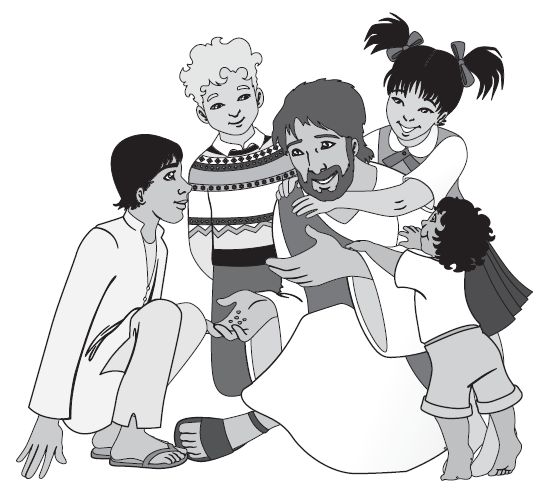
10. Do I have courage?
Any role of leadership demands courage. To succeed as a leader, you have to take risks. Probably some of your meetings won't be great successes. You might face some touchy situations you wish you hadn't gotten into. It will take courage to go to a parent regarding his or her child. It will take courage to help your students deal with difficult issues they might face.
Molding a child's life is truly an awesome responsibility, but Jesus provided powerful encouragement when He said, "It is not the will of your Father...that one of these little ones should perish." (Matthew 18:14) Although some of your students may not be so little anymore, this promise proves that the person who is committed to nurturing the spiritual life of a child or teenager is working in cooperation with the will of God! You can be assured then, the Lord will direct you and guide you as you seek to guide children to love and serve Him.
Subscribe to:
Posts (Atom)